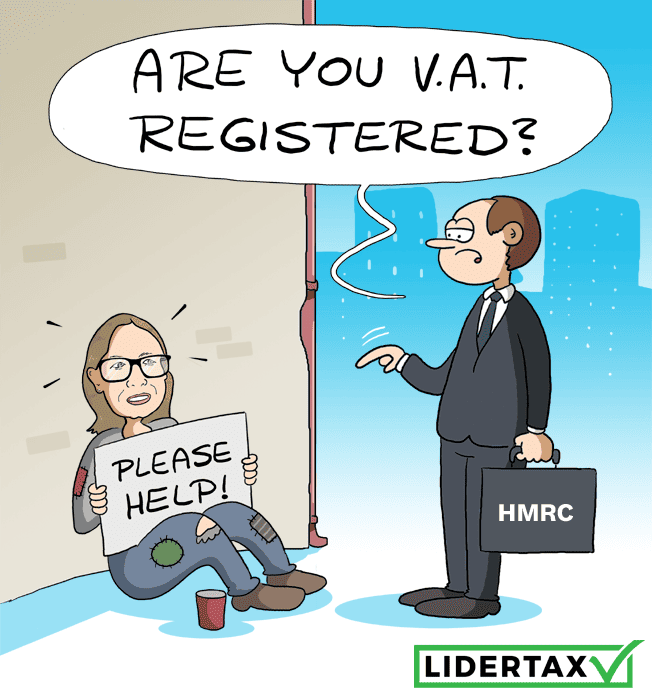


The Companies House accounts reform 2028 changes how every UK company files its annual accounts. Government confirmed the package on 9 June 2026. Small companies and micro-entities now face a new obligation. They must file a full profit and loss account. Most owners will read the headline and move on. That response carries real risk. This briefing explains what changes, who is exposed, and what to do now.

Get a FREE consultation – CLICK
Table of contents
- What does the Companies House accounts reform 2028 actually change?
- Who is most exposed under the new filing rules?
- Why is the opt-out not the same as privacy?
- How does the Companies House accounts reform 2028 change your risk exposure?
- What do software only filing and iXBRL mean for you?
- What common misconceptions surround the 2028 changes?
- What happens if you do nothing before April 2028?
- How should business owners prepare for the Companies House accounts reform 2028?
- Advisory perspective: what early movers gain
- Conclusion and next step
- FAQ
What does the Companies House accounts reform 2028 actually change?
The reform sits within the Economic Crime and Corporate Transparency Act 2023. It takes effect from 1 April 2028. Companies House confirmed five core measures.
First, small companies and micro-entities must file a profit and loss account. They can opt out of publishing it. Previously they filed reduced information. Second, all companies must file their annual accounts through commercial software. Third, the option to file abridged accounts is removed. Fourth, companies claiming audit exemption face a strengthened eligibility statement. Fifth, the number of times a company can shorten its accounting period is reduced.
One change matters most for small firms. Today most file filleted accounts. They submit a balance sheet and leave out the profit and loss account. The new rule ends that route. From 2028 the profit and loss account becomes a public register document, unless the company opts out.
Who is most exposed under the new filing rules?
Some companies feel this change far more than others. Micro-entities sit at the centre. Contractors operating through a limited company follow closely. Family firms and single-director companies join them.
These businesses share one habit. They disclose the minimum financial detail allowed. Their trading performance has stayed private until now. The new profit and loss filing applies to them in full from 2028.
Polish-owned limited companies form a large part of this group. Many Polish construction, transport and service firms run as micro-entities. This audience needs clear guidance in plain language. Lidertax serves it in both English and Polish.
Why is the opt-out not the same as privacy?
Many owners hear about the opt-out and relax. That reaction misreads the rule. The opt-out controls publication, not access.
Small companies and micro-entities can keep the profit and loss account off the public register. The figure still reaches Companies House. It also reaches HMRC and law enforcement, even where a company opts out. Government stated this point directly.
So the opt-out shields you from competitors and the public. It does not hide your numbers from the state. Privacy on the register is not privacy from HMRC. That distinction shapes the real risk.

How does the Companies House accounts reform 2028 change your risk exposure?
Start with what does not change. HMRC already receives your full accounts. Your profit and loss account reaches HMRC with the Company Tax Return. The reform gives HMRC no new sight of these figures.
The change sits at Companies House. Today many small firms file filleted accounts there. Their profit and loss account stays off the public register. From 2028 that same account reaches the register too. The figure then sits in two places, not one.
This raises two practical risks. First, your public figures must match your filed return. Any gap becomes easier to spot. Companies House plans to aggregate and compare this data. Second, the opt-out hides the register entry, not the HMRC view. Tackling tax evasion sits among the reform’s stated aims.
None of this means automatic suspicion. It means less room for inconsistency. Clean, consistent figures protect you. That is the real shift in exposure.
What do software only filing and iXBRL mean for you?
The reform ends two familiar filing routes. Web filing closes for accounts. Paper filing closes too. Both stop from 1 April 2028.
From that date, accounts must use commercial software in iXBRL format. iXBRL tags each figure so machines can read it. Companies House publishes a list of approved software providers on GOV.UK.
One detail reassures many owners. Web filing stays open for non-accounts tasks, including confirmation statements and director updates. You can still handle those online. Only accounts move to software.
What common misconceptions surround the 2028 changes?
Three misreadings spread quickly. Each one creates risk.
The first treats delay as relief. April 2028 feels distant. Yet software migration and data tidying take months. Early preparation costs little. Late preparation costs more.
A second error confuses this reform with Making Tax Digital. They are separate regimes. MTD concerns income tax and quarterly updates. This reform concerns company accounts at Companies House. Different rules apply, with different deadlines.
The third assumes the old shortcuts remain. Both filleted and abridged filing end. Profit and loss filing now applies in full. The route many small firms relied on has gone.
What happens if you do nothing before April 2028?
Picture two companies in early 2028. Both face the same rules. Their preparation differs.
The first ignores the change until the deadline. Its records stay loose. Software selection waits. The first profit and loss filing looks rushed and inconsistent. That inconsistency sits in front of HMRC.
The second acts in 2026 and 2027. It tidies its bookkeeping. Software gets chosen early. The owner reviews salary and dividend structure. Its filing arrives clean and defensible.
Same rules, two outcomes. One firm carries avoidable risk. The other carries control.

How should business owners prepare for the Companies House accounts reform 2028?
Preparation falls into four practical steps.
Start with your records. Clean bookkeeping makes a clean profit and loss account. Next, choose compliant software in good time. Check the Companies House approved list before deciding.
Then weigh the opt-out decision. Publication can support access to finance and transparency. Privacy can protect commercial sensitivity. The right choice depends on your situation.
Finally, review your structure. Look at director salary, dividends and declared margin. Make sure each figure stands up to scrutiny. If this applies to your company, a short review now prevents pressure later.
Advisory perspective: what early movers gain
Early movers gain more than tidy paperwork. They gain control over the story their numbers tell. A planned profit and loss account reflects deliberate structure. The rushed version reflects whatever the year happened to look like.
We see this pattern across reform cycles. Owners who prepare early face fewer questions. Those who wait absorb the stress at the deadline.
For Polish-owned companies, language adds a layer. Tax rules are complex enough in a first language. Lidertax explains them clearly in English and Polish. That clarity turns a compliance burden into a planning advantage.
Conclusion and next step
The Companies House accounts reform 2028 is confirmed and dated. It will not be reversed. Small companies will file profit and loss accounts. The opt-out limits publication, not state access.
The deadline feels far away. Yet the preparation window is shorter than it looks. Records, software and structure all take time to align.
If this regulatory shift affects your company, now is the time to review your position. Lidertax offers a strategic consultation, a risk review and a preventive audit. Early action protects you from avoidable exposure to HMRC – CLICK.
FAQ
Do small companies have to file profit and loss accounts from 2028?
Yes. From 1 April 2028, small companies and micro-entities must file a profit and loss account at Companies House. This ends the previous reduced filing option.
What is the opt-out and does it give full privacy?
The opt-out lets small companies and micro-entities keep the profit and loss account off the public register. It controls publication only. The figures still reach Companies House.
Will HMRC see my profit and loss account despite the opt-out?
Yes. Even with the opt-out, Companies House, HMRC and law enforcement keep access to the filed account. The opt-out hides the data from the public, not the state.
What does the end of web filing for accounts mean?
From 1 April 2028, you cannot file accounts through the web or paper service. Accounts must go through commercial software. Other filings, such as confirmation statements, stay on the web service.
What is iXBRL and do I need new software?
iXBRL is a format that tags financial figures so software can read them. All companies must file accounts in this format from 2028. Most owners will need compatible commercial software.
What happened to filleted and abridged accounts?
Both options end under the reform. Small companies could file filleted accounts to omit the profit and loss account, or abridged accounts to reduce detail. From 2028 they must file a full profit and loss account.
Why did the reform move from 2027 to 2028?
Government delayed the start after concerns from businesses and advisers. The reform now begins in April 2028 rather than April 2027. Companies receive one full accounting year plus nine months to prepare.
Is the Companies House reform the same as Making Tax Digital?
No. Making Tax Digital concerns income tax reporting through quarterly updates. The Companies House reform concerns company accounts filed at the register. They are separate regimes with separate deadlines.
How does the reform change my risk exposure?
HMRC already holds your profit and loss account through the Company Tax Return. The reform adds the same figures to the public register, unless you opt out. Inconsistency between public and filed data is the main new risk.
What should I do now to prepare?
Tidy your bookkeeping, choose compliant software early and review your salary and dividend structure. Decide whether to use the opt-out. Early preparation reduces stress and risk near the deadline.